

Kinwise Conversations in AI shares real stories from leaders and educators exploring how to use AI with care, creativity, and intention. Through weekly podcast episodes, we spotlight educators and leaders who are integrating AI into their work in human-centered and purposeful ways.
Kinwise Conversations in AI:
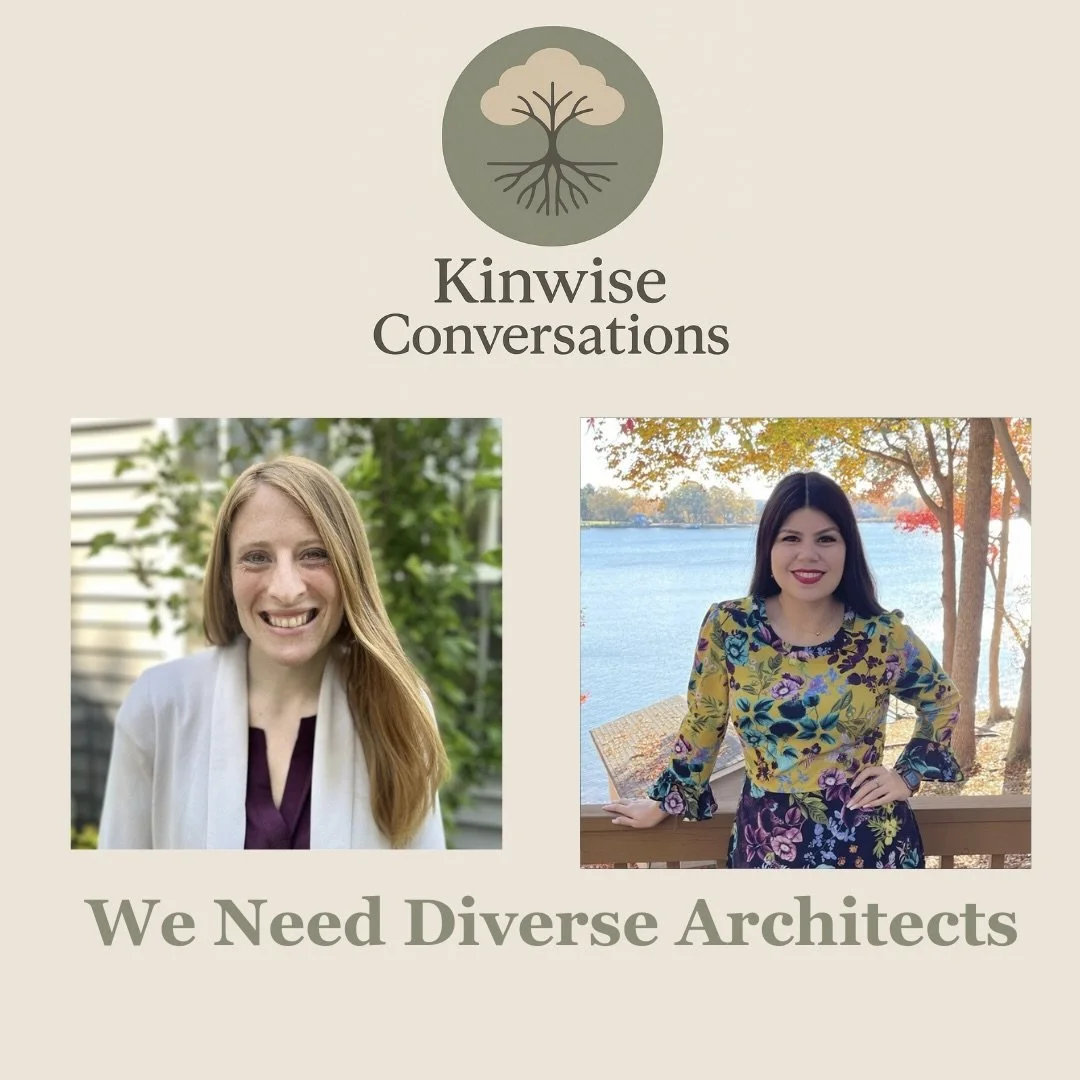
The Pocketbook Problem: Why We Need Diverse Architects in the Age of AI
Ivanna Gutierrez joins the show to discuss the critical transition from being a consumer of technology to a creator, emphasizing AI literacy as a fundamental requirement for modern equity. Drawing on her experience in both IT consulting and the classroom, she shares how she guides students to use generative AI for problem-solving while maintaining the logical rigor needed for long-term success.
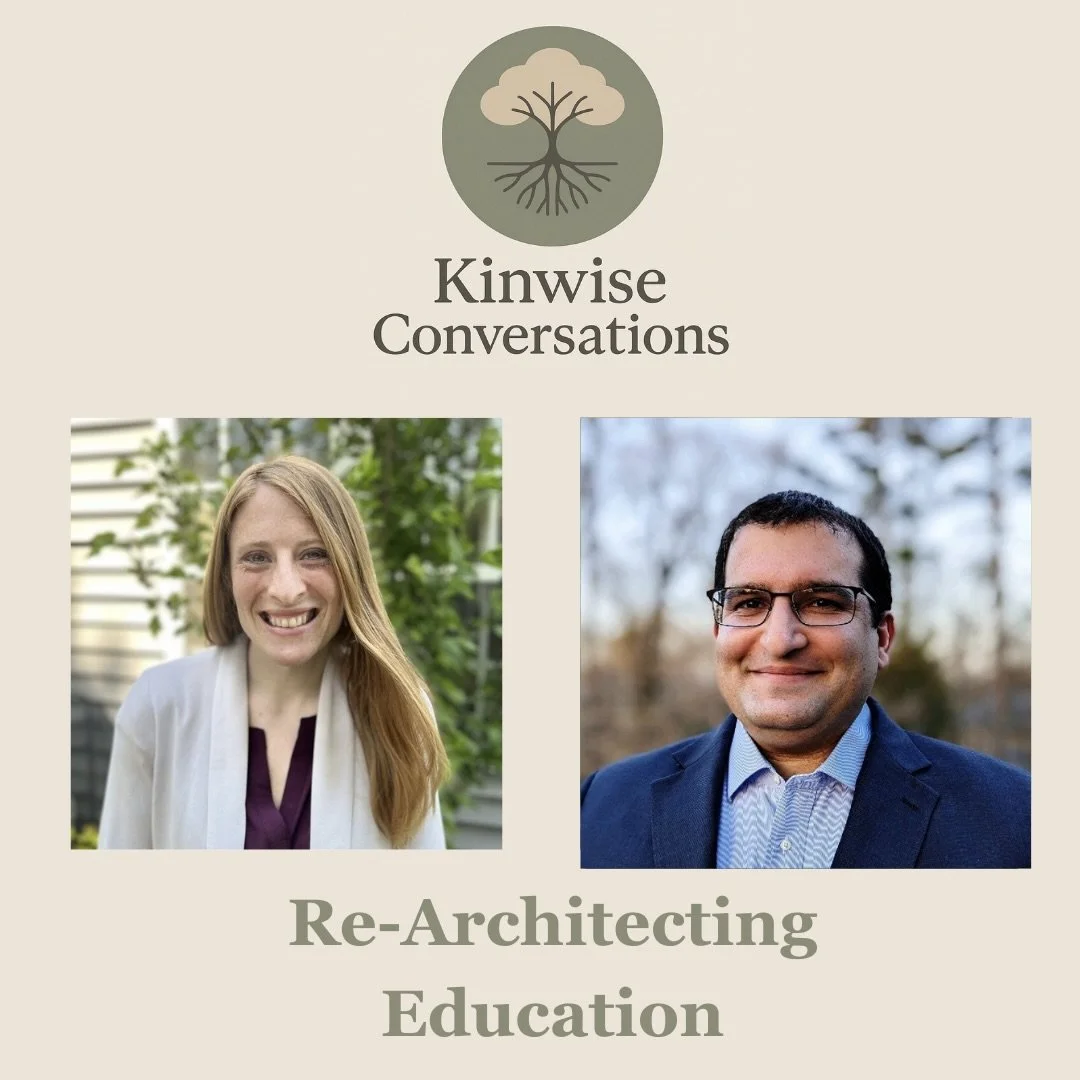
Re-Architecting Education for a Pro-Human AI Future with Babak Mostaghimi
Babak Mostaghimi joins Kinwise to discuss the "Three Horizons" of innovation and why K-12 leaders must prioritize pro-human AI over mere system efficiency.
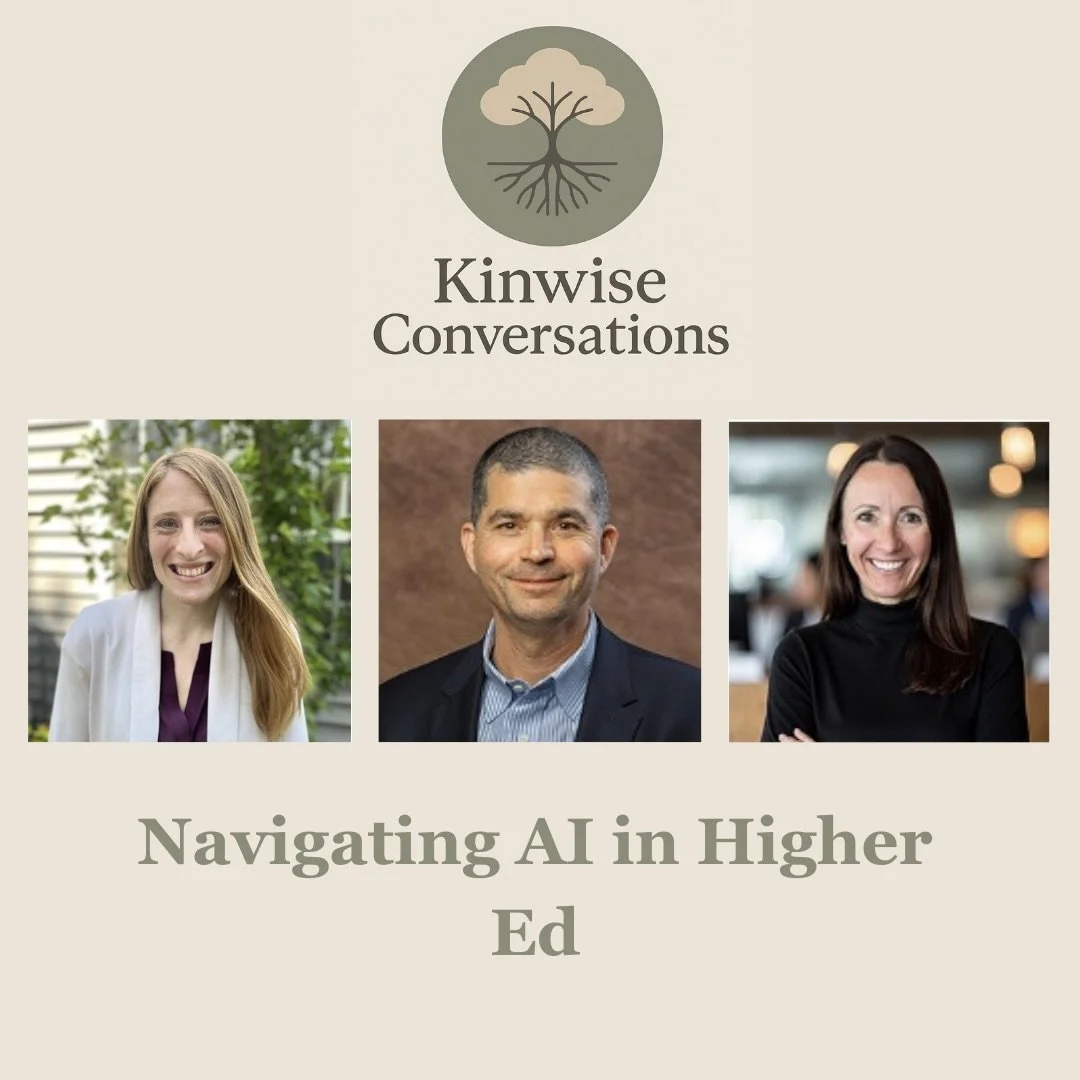
The Skeptic and The Optimist: Navigating AI in Higher Education
In an era where a doctoral dissertation could theoretically be generated in minutes, educational leaders face a profound dilemma: How do we prioritize the process of learning when the product can be automated?
Lydia Kumar sits down with Dr. Nicole Schilling and Dr. Jason Margolis to dissect the evolving role of Artificial Intelligence in high-stakes education. Approaching the topic through a "critical friends" model, they offer contrasting perspectives on the risks of cognitive atrophy and the potential for AI to serve as a rigorous simulation partner. Together, they explore the nuances of bias, the limitations of rigid policy, and the urgent need to redefine ethical guidelines for the next generation of leaders.
Redesigning the Syllabus for Deeper Learning: AI, Empathy, and Assessment
Dr. Dana Riger, UNC’s GenAI Faculty Fellow, discusses shifting from AI policing to values-driven curriculum design and the essential role of human empathy in education.
25. Danelle Brostrom on Leading AI: Privacy, Humanity, and Progress in Schools
As AI becomes embedded in nearly every classroom tool, how can schools safeguard privacy, foster digital discernment, and still innovate? In this episode of Kinwise Conversations in AI, Danelle (Danielle) Brostrom, K-12 Educational Technology Coach at Traverse City Area Public Schools and 2025 EDSAFE AI Alliance Women in AI Fellow, joins host Lydia Kumar to unpack this urgent question.
24. Duke's Ahmed Boutar on AI Alignment: Ensuring Users Get Desired Results
AI ethics researcher Ahmed Boutar joins host Lydia Kumar to discuss why the future of education depends on teaching interpretation, not generation. In this Kinwise Conversations in AI episode, we explore AI alignment, governance, and how K-12 leaders can balance innovation with human oversight, ethical judgment, and transparency.
23. The Lifeline of Learning: Dr. Sawsan Jaber on Radical Love, Agency, and Humanizing Education in the Age of AI
In this episode, we’re joined by Dr. Sawsan Jaber, a global educator, equity strategist, and author of Pedagogies of Voice. Dr. Jaber’s work is rooted in her lived experience as the daughter of refugees and her profound belief that classrooms must be healing spaces that nurture student voice and radical love.

3: AI in Schools: Beyond Substitution to Redefinition
North Carolina’s Vera Cubero helped craft some of the nation’s first K-12 AI guidelines. She joins Lydia to share why project-based learning, durable skills, and ongoing teacher PD are essential for human-centered AI adoption, especially in rural and underserved schools.
16. Unmasking AI: Angeline Corvaglia on Bias, Emotional Design, and Protecting Your Unique Voice
How is AI trained? Digital literacy advocate and Data Girl creator Angeline Corvaglia pulls back the curtain on the human decisions behind AI. She and Lydia Kumar discuss everything from beauty bias in data labeling and the emotional design of chatbots to the urgent need to preserve young people's unique voices in a world of algorithmic influence.

15. From Mainframes to AI Agents: William Brown on Transforming Tech and Self
William A “Bill” Brown, IBM Distinguished Engineer Emeritus and founder of Application Engineering Services, joins us to explore what it takes to lead through rapid technological change. With four decades of experience, Bill shares how curiosity, continual learning, and a human-centered approach have shaped his journey.
14. Throw Away the Coffee: Cary Wright on AI, Teacher Well-Being, and Better Lesson Plans
Cary Wright, a 30-year veteran educator and co-founder of T.E.A.C.H., joins us to share how he’s helping teachers go from overwhelmed to empowered through practical, responsible AI use.
13. Beyond the Bot: John Sharon on Protecting Human Connection in Schools
In this episode, we slow down the AI conversation with John Sharon, Assistant Head for Teaching and Learning at Carolina Friends School. With over 34 years in education, John has seen fads come and go and knows the importance of discernment.
12. Trailblazing AI Literacy: Connor Mulvaney’s Rural Classroom Revolution
Montana teacher Connor Mulvaney shares how AI literacy lessons and the aiEDU Trailblazers Fellowship ($875 stipend) help rural educators teach with large-language models.
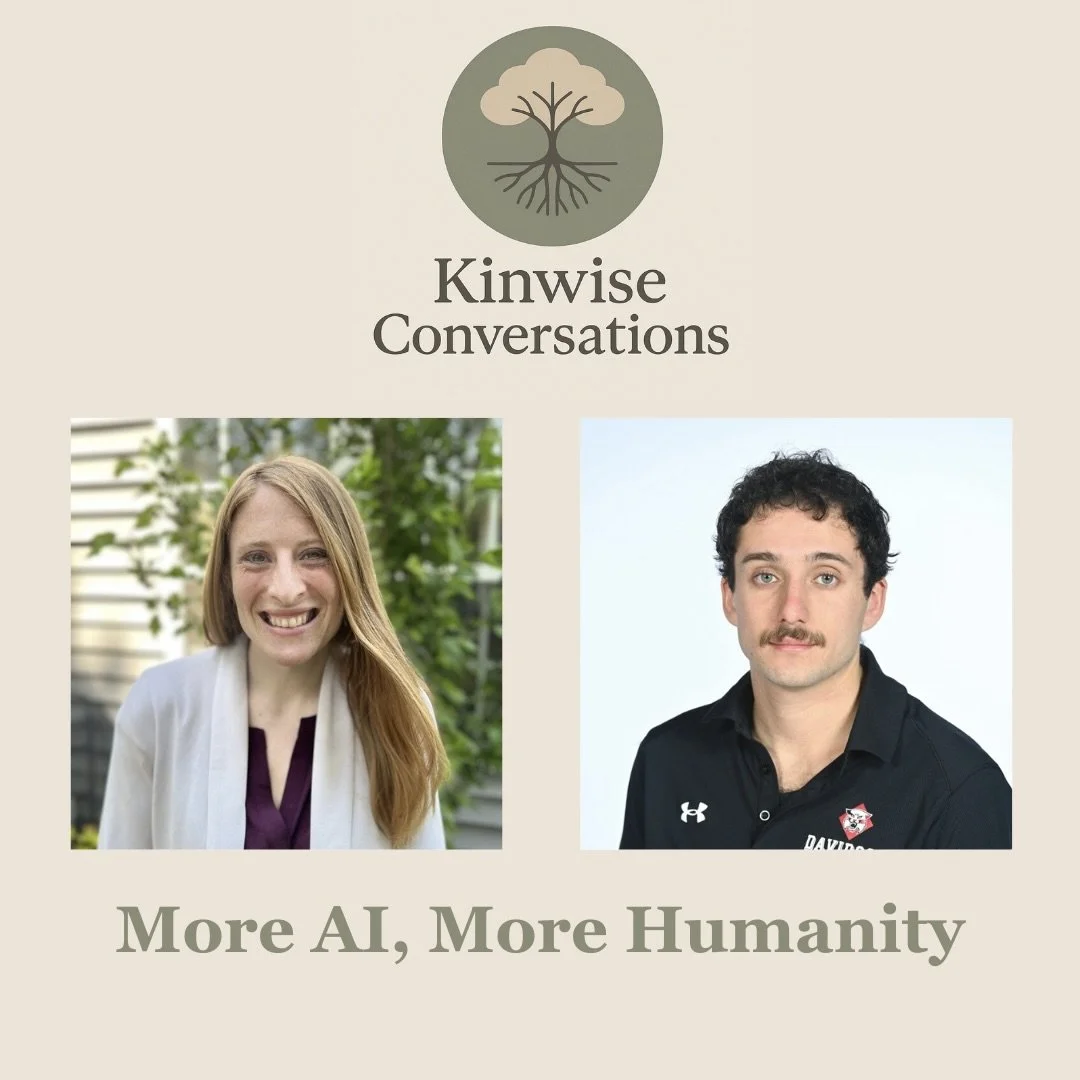
11. More AI, More Humanity: Ben Gordon Sniffen on the Alpha School Model
What happens when an AI tutor shrinks core academics to two hours? Alpha guide Ben Gordon Sniffen shares a model that trades seat-time for mentorship and real-world skills.

7: Closing the Gap: Tanzania Brown on AI Equity and Student Affirmation
Educator Tanzania Brown discusses using AI for student affirmation, confronting AI bias, and closing the educational equity gap.
3: Redefining Education with AI: Vera Cubero on Project-Based Learning and Human Connection
North Carolina’s Vera Cubero helped craft some of the nation’s first K-12 AI guidelines. She joins Lydia to share why project-based learning, durable skills, and ongoing teacher PD are essential for human-centered AI adoption, especially in rural and underserved schools.